
When we mention safety vests, most people immediately think of bright fluorescent yellow or orange. While these colors do provide good visibility during the day, the true protective effect often lies in the easily overlooked design details. A qualified safety vest requires a precise balance in materials, structure, and functional design.
Reflective Strips: The Art of Width and Arrangement.
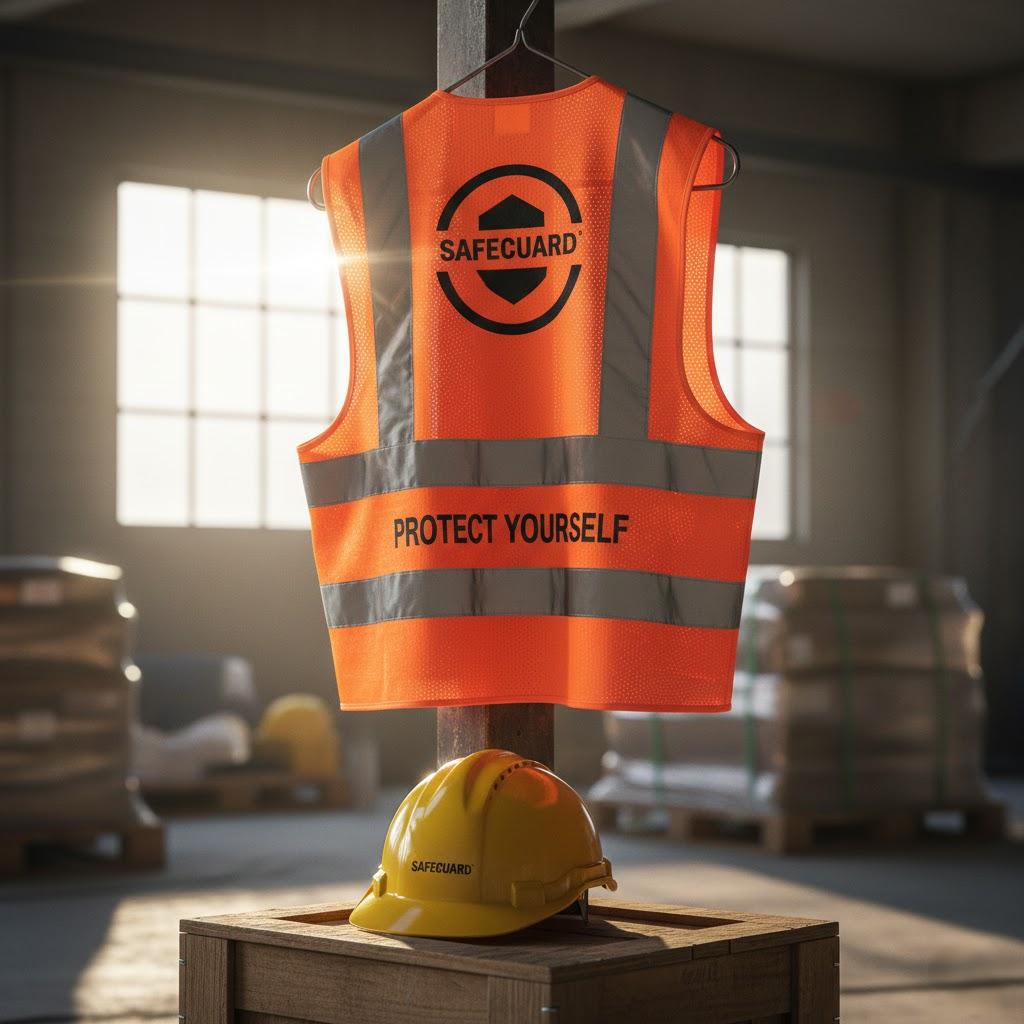
The width of reflective strips is not arbitrary. According to the EU standard EN ISO 20471, the minimum width of reflective strips for Class 2 safety vests is 50mm, while the highest protection level, Class 3, requires at least 80mm. Wider reflective surfaces reflect light over a wider angle, ensuring visibility at night or in low-light conditions.
The arrangement of reflective strips is equally crucial. The classic “X” shaped vest design allows reflective strips to cover the chest, back, and shoulders, forming a 360-degree visible reflective network. Some inexpensive vests, to save costs, only add two vertical stripes to the chest and back, which provide almost no warning when approaching from the side.
Material Selection: Balancing Breathability and Durability.
The polyester fiber or mesh fabric commonly used in safety vests directly affects wearing comfort and lifespan. Construction workers or logistics personnel working in high-temperature environments need vests with good breathability; otherwise, the heavy material will exacerbate the risk of heat stress. Outdoor workers need to consider the waterproof and abrasion-resistant properties of the fabric—inferior vests may fade or deform after a few rain showers.
It’s worth noting that reflective materials themselves also have a limited lifespan. High-quality glass microbead reflective film can maintain effective reflectivity for 2-3 years, while the reflective coating used in cheap vests may show significant degradation after six months.
Nighttime Visibility Angle: A Key Parameter Easily Overlooked.
Many people are unaware of the concept of an “effective angle” for reflectivity. The reflective strips of a high-quality vest maintain high reflectivity within a 30-degree angle of incident light, meaning that even if a vehicle approaches from the side, the driver can see the worker promptly. Low-quality products may only perform well when facing a light source directly, with significantly reduced side visibility.
Human-centered design: Details determine practical experience.
An easy-to-wear vest is more likely to be used correctly. Velcro fasteners are better suited for gloved operation than traditional buttons; side openings allow for easy donning and doffing without removing the helmet; pre-installed attachment points can secure walkie-talkies or tool bags. These seemingly small design details directly influence whether workers are willing to wear them continuously.
Conclusion:
Choosing a safety vest shouldn’t be based solely on color. Next time you buy one, try testing the reflectivity with a flashlight from different angles, checking the stitching for strength, and assessing the fabric’s breathability. True safety protection lies in scientifically proven design details.
Leave a Reply